
Blog
Cotton vs Microfibre Towels – Which Is Better?

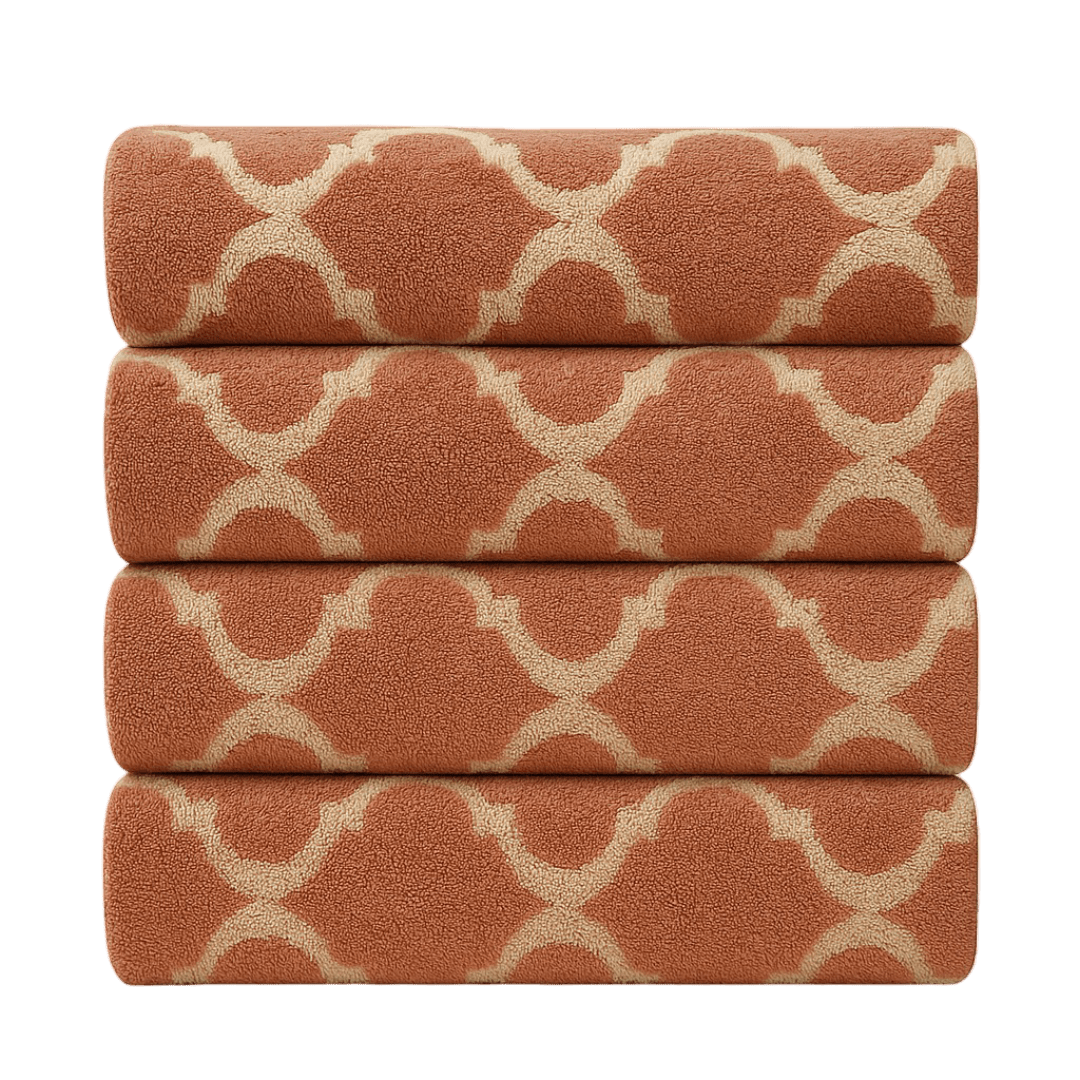
Cotton vs microfibre towels comes down to what you actually need: plush comfort in the bathroom, or fast drying in a kit bag. They behave very differently once wet.
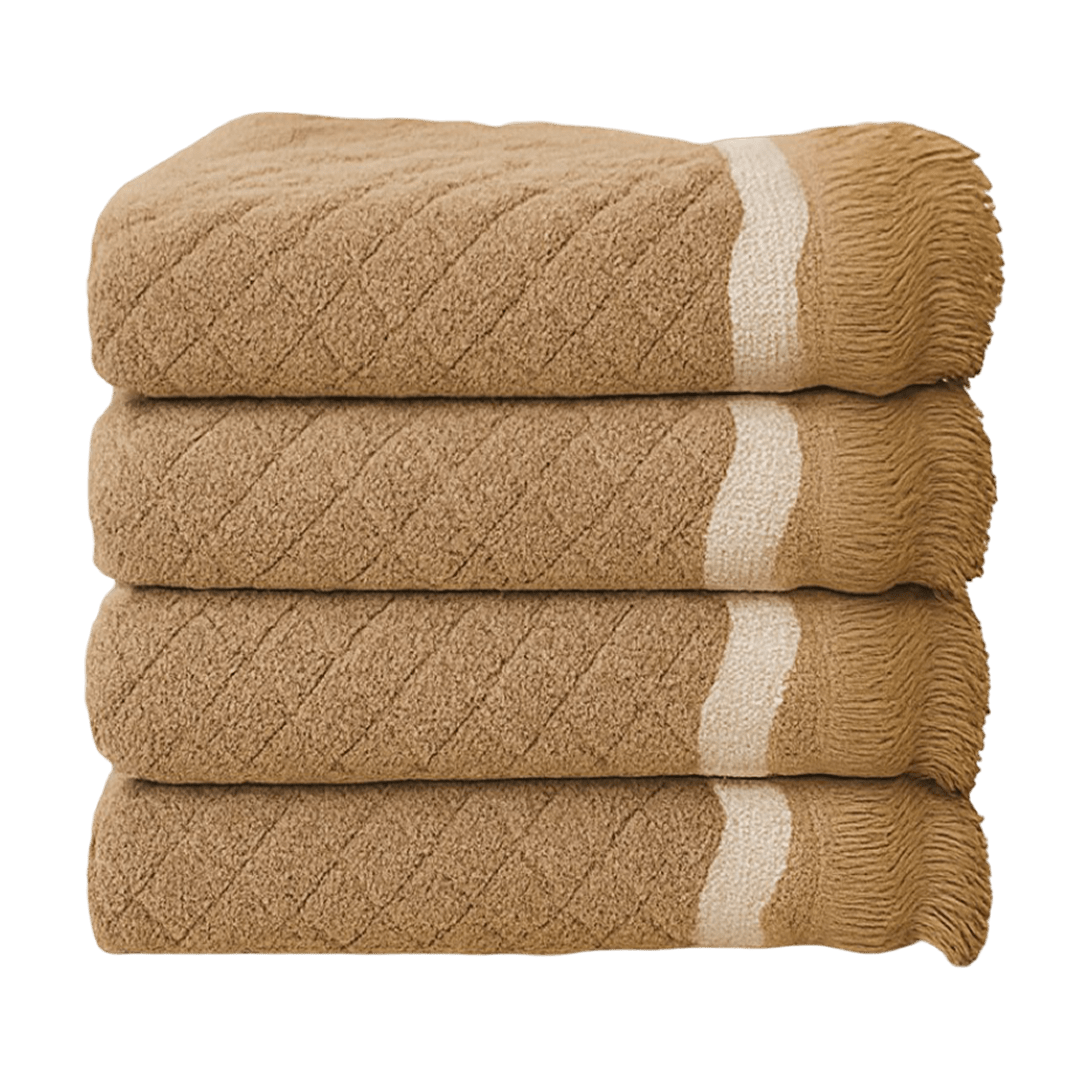
Stylish and practical for home, hotel or spa.
Cotton vs Microfiber Towels – Which One Should You Choose?
When buying towels in the UK, customers often compare cotton and microfibre towels. Both have benefits, but they serve different purposes.
Cotton Towels (Best for Luxury & Comfort)
✔ Soft and natural feel
✔ Highly absorbent
✔ Breathable and durable
✔ Ideal for home use
Best choice for everyday luxury bath towels
Microfibre Towels (Best for Travel & Sport)
✔ Lightweight and compact
✔ Quick drying
✔ Less soft than cotton
✔ Great for gym or travel
For comfort, luxury, and long-term use, 100% cotton towels (like Izorra’s range) are the best choice.
What each material actually is
Cotton towels are a natural fibre woven into terry, the looped pile that gives a towel its thickness. The loops physically hold water, and the cotton fibre absorbs moisture into its own structure.
Microfibre is synthetic, usually a blend of polyester and polyamide split into extremely fine filaments. It does not absorb into the fibre in the same way. Instead it traps water in the enormous surface area between filaments, and lifts moisture off skin by capillary action.
Absorbency
Microfibre wins on raw numbers and speed, holding several times its own weight in water and lifting it quickly. Cotton holds more water overall in a comparable bath-sheet size and keeps feeling dry against skin for longer.
The difference people actually notice is the sensation. Cotton feels soft and cushioned. Microfibre can feel slightly grabby or squeaky against damp skin, which some people dislike intensely and others do not notice at all.
Drying time
Microfibre dries dramatically faster, often in an hour or two on a rail. A 600GSM cotton bath sheet may need most of a day with decent airflow. If your bathroom has poor ventilation or you are packing a bag, that gap matters.
Durability and ageing
Good cotton improves for the first few washes as the pile opens up, then holds steady for years. It can be washed hot, which matters for hygiene.
Microfibre degrades faster in practice. It should not be washed above about 40°C or tumble dried hot, because heat melts and mats the filaments, and it loses its grab. It also picks up oils and detergent residue that are hard to shift, so it tends to become less effective over time.
Cotton vs microfibre towels side by side
| Factor | Cotton | Microfibre |
|---|---|---|
| Feel on skin | Soft, plush | Can feel grabby |
| Drying speed | Slower | Very fast |
| Hot wash | Yes | No, damages fibres |
| Packability | Bulky | Very compact |
| Lifespan | Years with care | Shorter |
| Biodegradable | Yes | No, sheds microplastics |
Environmental considerations
Microfibre sheds plastic particles into wastewater with every wash, and it is not biodegradable at end of life. Cotton is a natural, biodegradable fibre, though it is water-intensive to grow. If environmental impact matters to you, a cotton towel that lasts a decade is usually the better outcome than several synthetic ones.
So which should you buy?
Choose cotton for your main bathroom towels, for anything guests will use, and anywhere comfort matters. It is the better everyday towel.
Choose microfibre for the gym bag, travel, swimming, camping and the car. It is a specialist tool, not a bathroom replacement.
Most households are best served by cotton in the bathroom and one or two microfibre towels kept for sport and travel.